Properties Made Accessible and Ready for Use
Land Clearing in Wartrace for overgrown acreage, construction site preparation, and vegetation removal across residential and agricultural properties
Overgrown brush, tangled saplings, and thick vegetation block access to usable land and create drainage problems where debris accumulates along fence lines and property boundaries. The Gravel Man provides land clearing throughout Wartrace and surrounding Middle Tennessee counties for new construction sites, property expansions, fencing installation, pasture reclamation, and development preparation. Once clearing finishes, you'll see defined property lines, open ground ready for equipment access, and improved visibility across previously inaccessible sections of land.
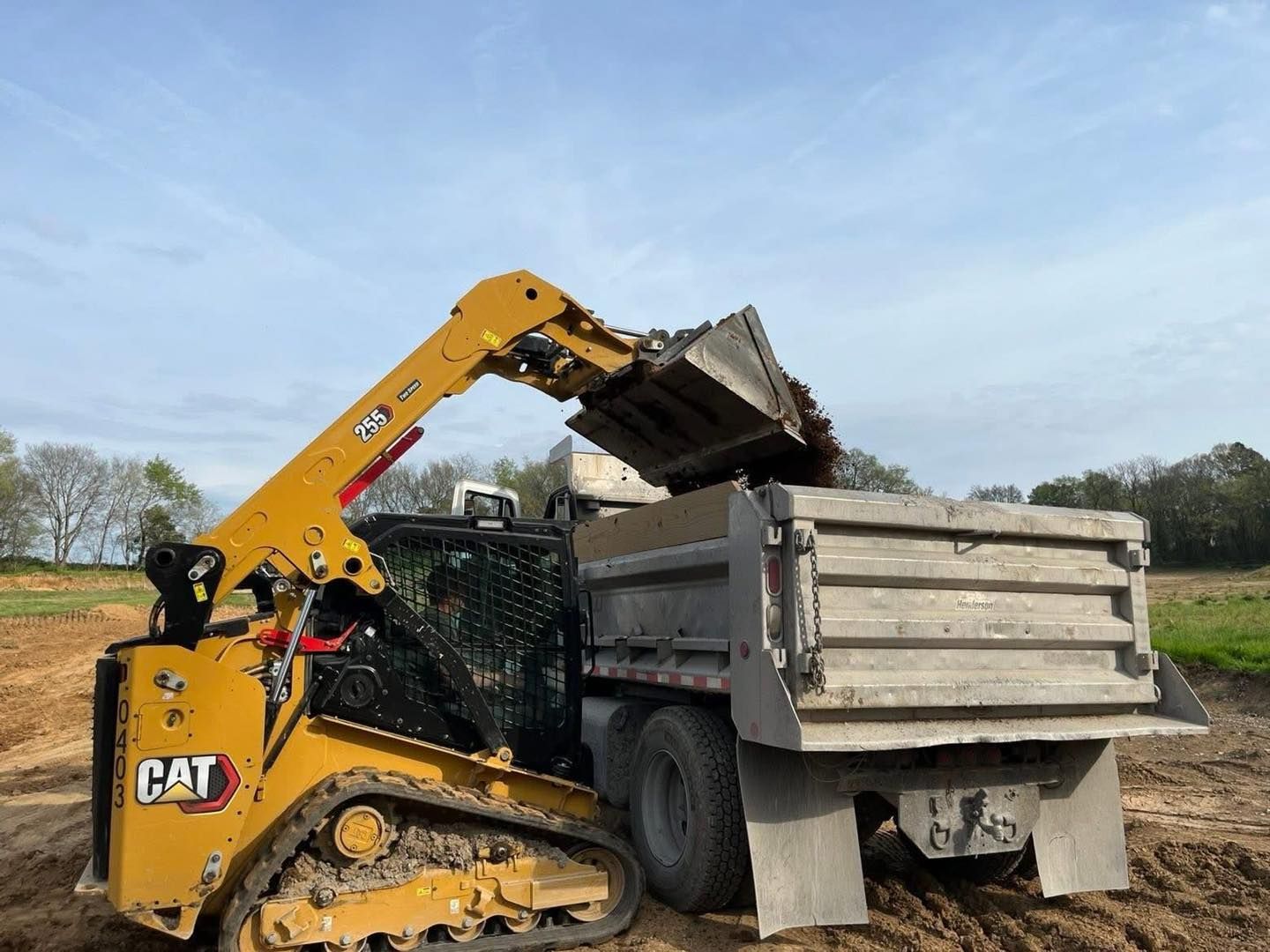
Land clearing removes trees, brush, stumps, and debris using equipment capable of handling uneven terrain and heavily wooded areas. The process includes cutting vegetation at ground level, extracting root systems that interfere with future construction or grading, and clearing debris so the site is ready for the next phase of work, whether that involves building, fencing, or agricultural use.
Arrange a property walkthrough to identify clearing boundaries and discuss how vegetation removal will improve site usability.
What Proper Land Clearing Requires
Clearing projects begin by defining which sections of the property need vegetation removed and which areas should remain untouched, such as mature shade trees or natural windbreaks. Equipment selection depends on vegetation density—light brush requires different tools than large hardwoods or tangled undergrowth that has accumulated over decades.
After clearing, your property will have open, manageable ground where equipment can move freely, drainage flows more predictably without debris dams, and construction or fencing work can proceed without obstruction. Cleared land also reduces fire hazards from dry brush and improves safety by eliminating hidden obstacles like fallen limbs or concealed holes.
Many clearing projects are combined with grading to level the newly exposed ground, gravel installation for access roads, or forestry mulching when minimal soil disruption is preferred. Services are planned around property layout, surrounding vegetation that should remain, and whether the cleared material will be hauled away or processed on-site.
Common Questions About Clearing Services
Landowners preparing overgrown properties for construction, farming, or improved access frequently ask about equipment, debris removal, and how clearing affects soil and drainage.
What size properties can be cleared?
Equipment handles projects ranging from small residential lots with overgrown fence lines to large rural acreage requiring complete vegetation removal for pasture conversion or development.
How is debris managed after clearing?
Debris is either hauled off-site, burned where local regulations allow, or processed into mulch and spread on the property, depending on project goals and material volume.
Will land clearing disrupt the soil underneath?
Traditional clearing removes vegetation and root systems, which exposes soil but allows for immediate grading or construction work, while forestry mulching leaves processed material on the surface to reduce erosion.
When is the best time to clear land in Middle Tennessee?
Drier months allow equipment to operate on softer ground without rutting, though clearing can occur year-round depending on soil conditions and project urgency.
What happens to large trees during clearing?
Large trees are cut, sectioned, and either hauled away or left on-site as firewood if requested, while stumps are typically ground down or extracted based on how the land will be used afterward.
The Gravel Man completes land clearing projects across Wartrace for residential, agricultural, and commercial properties where vegetation blocks access or development. Contact us to review your property and outline a clearing plan suited to your intended use.