Vegetation Removed Without Hauling or Burning
Forestry Mulching in Wartrace for brush clearing, trail access, and overgrown land restoration without excavation
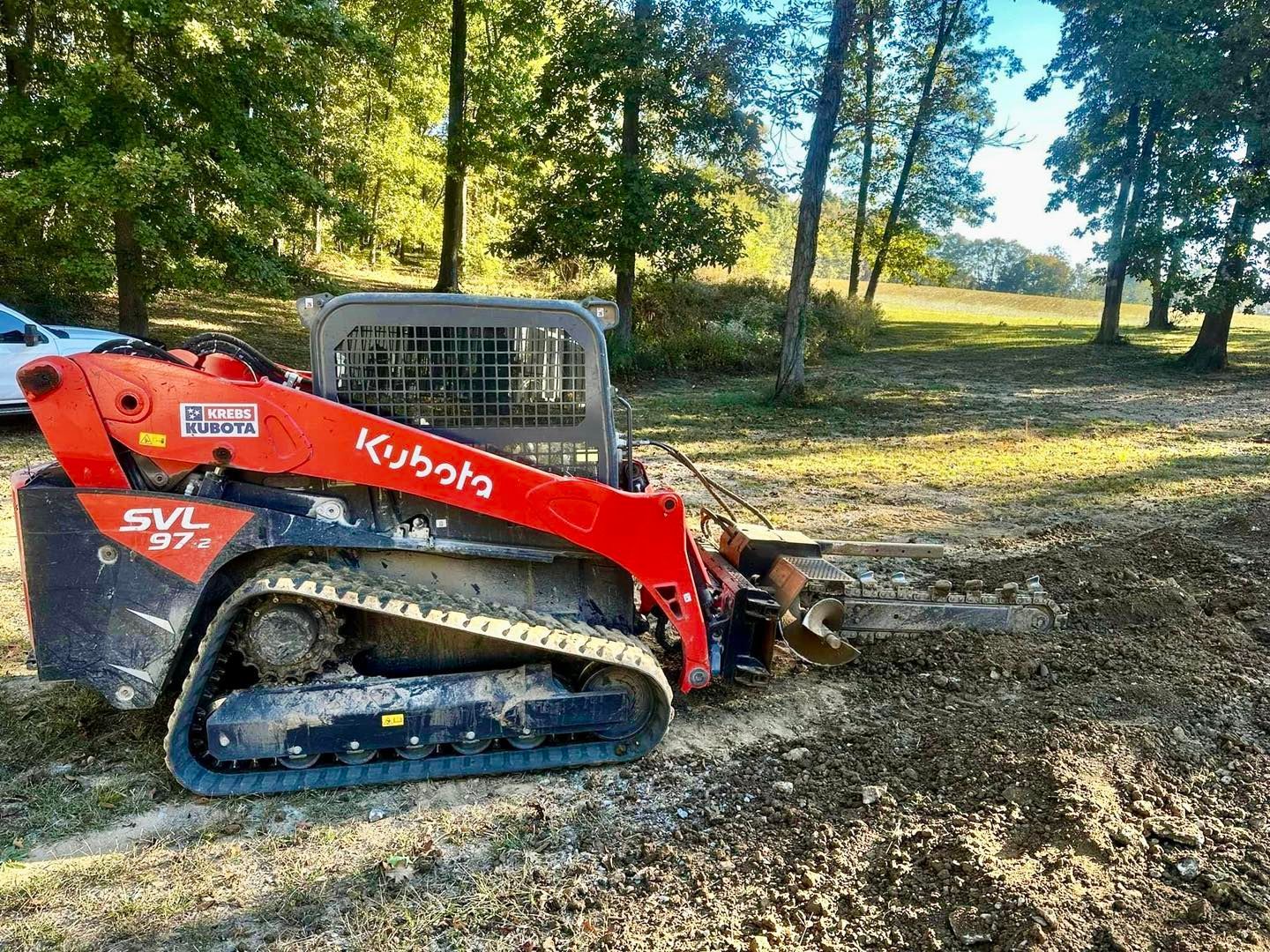
Forestry mulching processes brush, saplings, and small trees into mulch directly on the property surface using specialized equipment that grinds vegetation in place rather than cutting, piling, and hauling it away. The Gravel Man provides forestry mulching throughout Wartrace for hunting land cleanup, fence line maintenance, trail clearing, and acreage restoration where landowners want vegetation removed but soil left undisturbed. You'll notice cleared sight lines, accessible ground that was previously choked with undergrowth, and a layer of processed mulch that covers bare soil and reduces erosion compared to traditional clearing methods.
The mulching process involves running equipment over target vegetation, which cuts and grinds material into small chips that settle on the ground surface. Unlike clearing that removes stumps and roots, mulching leaves root systems intact underground while eliminating above-ground growth, making it suitable for projects where minimal soil disruption is preferred or where access for hauling equipment is limited.
Arrange an on-site review to identify which sections of your property would benefit from mulching versus traditional clearing.
The Difference Between Mulching and Traditional Clearing
Mulching works best for properties with dense brush, volunteer saplings, and small-diameter trees that don't require stump removal for future construction. The process is faster than cutting and hauling when dealing with large overgrown areas, and the mulch left behind improves ground coverage, which helps prevent invasive species from reestablishing as quickly as they would on bare, disturbed soil.
Once mulching is finished, your property will have open lanes for equipment or vehicle access, cleared fence lines that no longer require hand trimming every season, and improved visibility for hunting or property monitoring. The mulch layer decomposes over time, adding organic material to the soil rather than creating burn piles or requiring dump fees for hauled debris.
Mulching is often combined with grading if the cleared land will be used for driveways or building sites, or paired with excavation when stumps and roots need complete removal. Projects are planned based on vegetation density, intended land use, and whether future construction will require deeper soil work.
What Landowners Ask About Mulching
Property owners managing overgrown acreage or preparing hunting land typically ask about equipment limitations, what happens to the mulch, and how mulching compares to other clearing methods.
What size vegetation can forestry mulching handle?
Mulching equipment processes brush, saplings, and trees up to six or eight inches in diameter efficiently, while larger hardwoods typically require traditional cutting and removal.
Does mulch left on the ground attract pests or create fire hazards?
Processed mulch settles into a thin, decomposing layer that behaves like forest floor litter rather than a thick pile, and it reduces fire risk compared to dry standing brush or accumulated deadfall.
Will vegetation grow back after mulching?
Root systems remain underground and may resprout depending on species, so follow-up mulching or herbicide application is sometimes needed for long-term vegetation control on properties prone to aggressive regrowth.
How does mulching affect drainage on cleared land?
Mulching leaves the soil surface largely intact, so water infiltration patterns remain similar to pre-clearing conditions, whereas traditional clearing that removes roots can alter how quickly water drains through disturbed ground.
When is mulching the better option compared to dozer clearing in Middle Tennessee?
Mulching works well for rural properties with limited access, environmentally sensitive areas where soil disruption must be minimized, or projects where hauling debris off-site isn't practical.
The Gravel Man provides forestry mulching across Wartrace for overgrown properties, trail access projects, and land restoration where vegetation needs removal without extensive excavation. Set up a property consultation to discuss clearing goals and evaluate whether mulching suits your land management needs.